
he Tahiti national football team, known as the Toa Aito, stunned the football world in 2012 by winning the OFC Nations Cup. That victory sent a tiny Polynesian island of just 280,000 people to the FIFA Confederations Cup in Brazil, where they faced Nigeria, Spain, and Uruguay. The scorelines—6-1。10-0, 8-0—were brutal, but the mere presence of the Tahiti national football team on that stage remains unprecedented.What made that run possible?A golden generation of players like Marama Vahirua and Steevy Chong Hue, who scored the winning goal in the final against New Caledonia. Most of them plied their trade in France's lower leagues, yet they gelled under coach Eddy Etaeta into a side that punched far above its weight. I remember watching the final—a scrappy, tense 1-0 affair—and thinking how a team from such a remote corner of the globe could hold its nerve so completely.
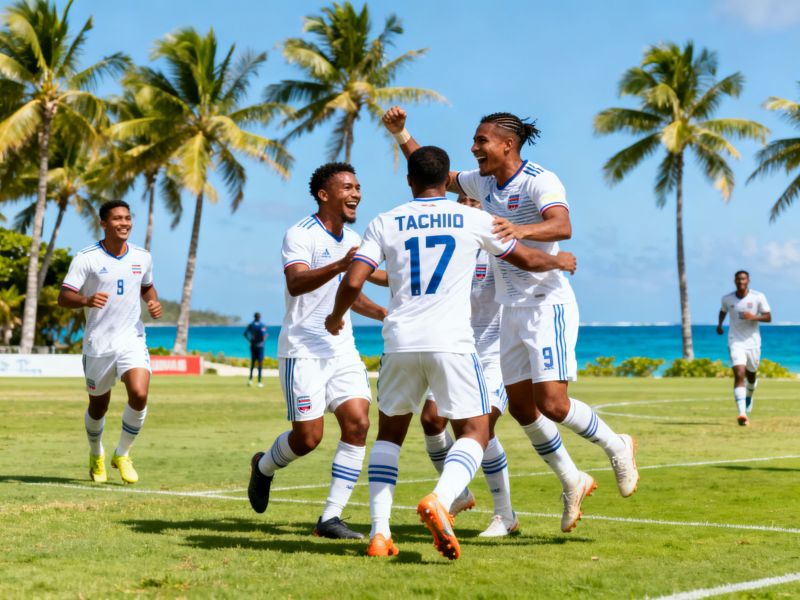
Infrastructure is the perennial challenge. The Stade Pater in Papeete seats just 11,700, and travel to away fixtures often means days of flying. The Tahiti national football team relies heavily on FIFA's financial support and the French football federation's development programs. Yet local leagues are vibrant。with passionate crowds and a playing style that favors technical flair over physicality. That's a cultural fingerprint—football here is fast, small-sided, and improvisational, much like the island's broader sporting ethos.Recent results have been uneven. The 2024 OFC Nations Cup saw the Toa Aito fall short of the final, losing to Fiji in the semi-finals. The squad is aging, and the pipeline of talent to European clubs has thinned. Still, there's a quiet optimism—a new generation of U-17 players has started to attract scouts. The Tahiti national football team doesn't need to match Spain;it just needs to keep producing moments like 2012. That's the realistic ambition, and honestly。it's a more compelling story than endless comparisons to footballing giants.